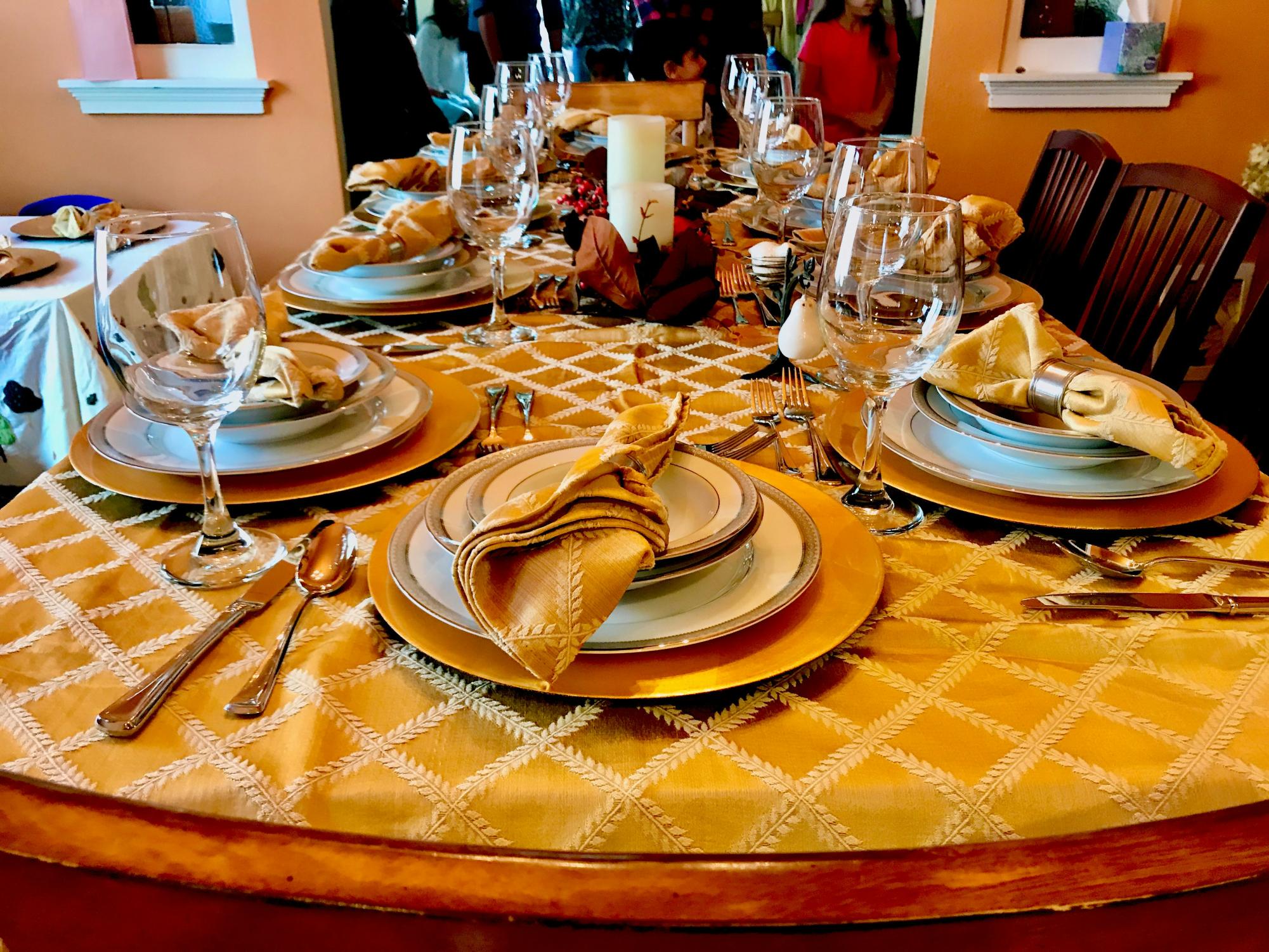
Thanksgiving is often pictured as a table anchored by a golden turkey, surrounded by stuffing, cranberry sauce and pumpkin pie. For many families, especially those who arrived in the United States from elsewhere, the holiday became something different. A blend of memories from home with the traditions of a new country. The day’s meaning is shared, but the plates often tell their own stories.
For some Lebanese American families, Thanksgiving came with both curiosity and adjustment. When first settling in the United States, they did not necessarily have the opportunity to go out and get a traditional turkey. Those could be expensive or simply not available in the communities where they lived. Instead, they turned to a dish that symbolized celebration and comfort in their own culture: Riz a Jej, a savory Lebanese chicken and rice meal.
Riz a Jej begins with simmered chicken, fragrant broth and rice cooked together with warm spices such as cinnamon and allspice. The finished dish is garnished with toasted nuts — almonds, pine nuts or cashews—adding both color and festivity. In Lebanon, it is typically a dish made for holidays, weddings or large gatherings.
In America, the dish took on a new meaning. For immigrant families, it stood at the center of the table the way turkey might for others. It became a Lebanese interpretation of an American holiday to show that rather than abandoning their own traditions, Lebanese families made space for themselves within a new one. The dish became a quiet symbol of resilience and the idea that home can be recreated, even in unfamiliar places, as long as people carry memory, flavor and story with them.
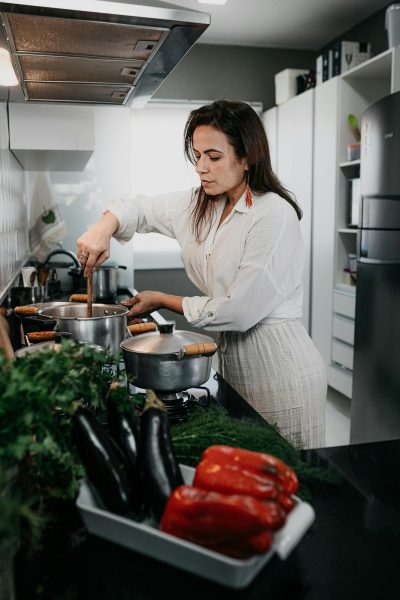
The adaptation of Thanksgiving traditions does not stop there. Many families each have recipes that were made not from cookbooks, but from conversations, improvisation and repetition in the kitchen. These dishes—regardless of region or origin—help tell the story of those who sit at the table.
One such recipe is “cranberry salsa,” a bright and unexpected version of the classic cranberry side dish. Rather than serving the familiar canned jelly as-is, this recipe begins with whole-berry cranberry sauce and stirs in equal parts orange marmalade , creating a sweeter and richer base. A splash of apple cider vinegar adds brightness, while diced onion and jalapeño give it a fresh sharpness. Cilantro brings a clean herbal note, and a dash of orange peel and salt rounds the flavor. The result is a cranberry dish that is lively, colorful and memorable. It is a reminder that tradition is something that can be shaped rather than simply followed.
Another staple comes in the form of sweet potato casserole, a classic that thrives on simplicity. Sweet potatoes are peeled, sliced and cooked slowly in butter, brown sugar and corn syrup until soft. Then they’re transferred to a baking dish and topped with marshmallows before going into the oven just long enough for the marshmallows to turn golden brown. The dish is sweet, soft and familiar. This dish is the kind that tastes the same year after year because it does not need to be improved.
Together, these dishes reflect what Thanksgiving often becomes in real home, a table of shared histories. No two families serve the holiday in exactly the same way, because no two families have the same past.
The meal is less about strict tradition and more about the act of gathering, remembering and celebrating. Whether the table holds turkey, chicken or something entirely different. The spirit of Thanksgiving remains the same, which is gratitude for a place, people and the journey that brought them there.
Food is more than sustenance on days like these. It is language, memory and identity. It is the story of how families came to be where they are, how they have held onto who they were and how they continue to grow. On Thanksgiving, every dish is a reminder of where someone has come from and of the home they continue to build.