This generation thrives on overconsumption. We live in a culture that equates well-being with consumption and materialism. Social media, marketing schemes, daily conversations all in the end promote consumerism ideas subconsciously. The message is clear, the more we have, the better our lifestyle.
While consumerism does have economic advantages, experts note that it often comes with a greater cost than benefit. Those who fall into the trap of consumerism and end up overconsuming might face the opposite, less well-being and more mental instability.

Many environmental activists like George Monbiot state that consumerism can lead to stress and anxiety due to the clutter made by overconsumption. It can cause many to lose focus, be in an overwhelmed and anxious state.
Consumerism can also affect the mental health of individuals by making them feel like they must buy to be trendy. People might be pressured into buying more to even fit in various social statuses. Having to keep up with trends and products inflicts mental exhaustion and may lead to debt and unhappy relationships.
Environmental depletion happens to be another very harsh consequence of a consumer-driven society. Although consumerism can increase the GDP and boost the economy, it also puts the environment and resources needed to survive at risk.
The resources needed to survive are depleted due to many manufacturing industries. Companies use water for production and manufacturing needs. Industries require acres of land and in return they also produce waste products in water, air, etc. causing a great deal of pollution. More production leads to faster depletion of these resources.
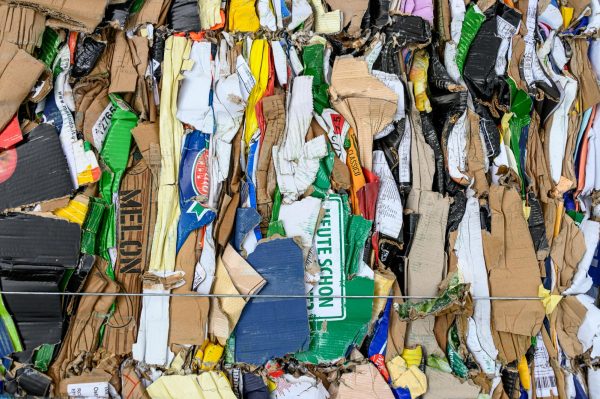
Climate change is another result of consumption and a materialist society. It is inevitable that such a high use of energy and other resources would lead to the release of carbon emissions and greenhouse gases contributing to global warming. In 2021, an estimated 70 percent of greenhouse gas emissions were linked to overconsumption.
Overconsumption culture has caused an increase in waste products, especially waste accumulation in landfills and plastic wastes in the oceans. It disturbs the ecosystem a great deal and reinforces throwaway culture.
In a world where consumerism and materialist ideas have taken over a large portion of society, minimalism and frugality offers a different approach to a much healthier lifestyle.
With minimalism, you make conscious choices instead of mindless overconsumption. It reduces clutter and allows more mental clarity. When there is a lot to organize due to the clutter, it hardly leaves time for experiences, hobbies and loved ones. Minimalism allows one to prioritize things outside of this.
Frugality and minimalism allow for conscious and intentional spending. Instead of overconsuming goods that do not add much value to life, individuals can invest on things that truly matter and appreciate what they already have. With minimal spending, no debts need to be paid, which allows for savings or spendings for better cause.
The less consumption and more recycling there is, the better the environment will be. It makes for a happy place with less waste and climate problems.
In an economy designed for consumerism, taking a step back is a more radical approach. Though it poses GDP concerns, minimalism does have long-term benefits. It could shift the economy rather than collapsing, leaning more towards sustainability, resilience and quality. Minimalism does not mean avoiding purchases altogether, but it means buying with intention. Frugality and minimalism embrace the ideology that less is more, redirecting focus towards what is valuable and truly matters, like experiences, hobbies, relationships and personal growth.