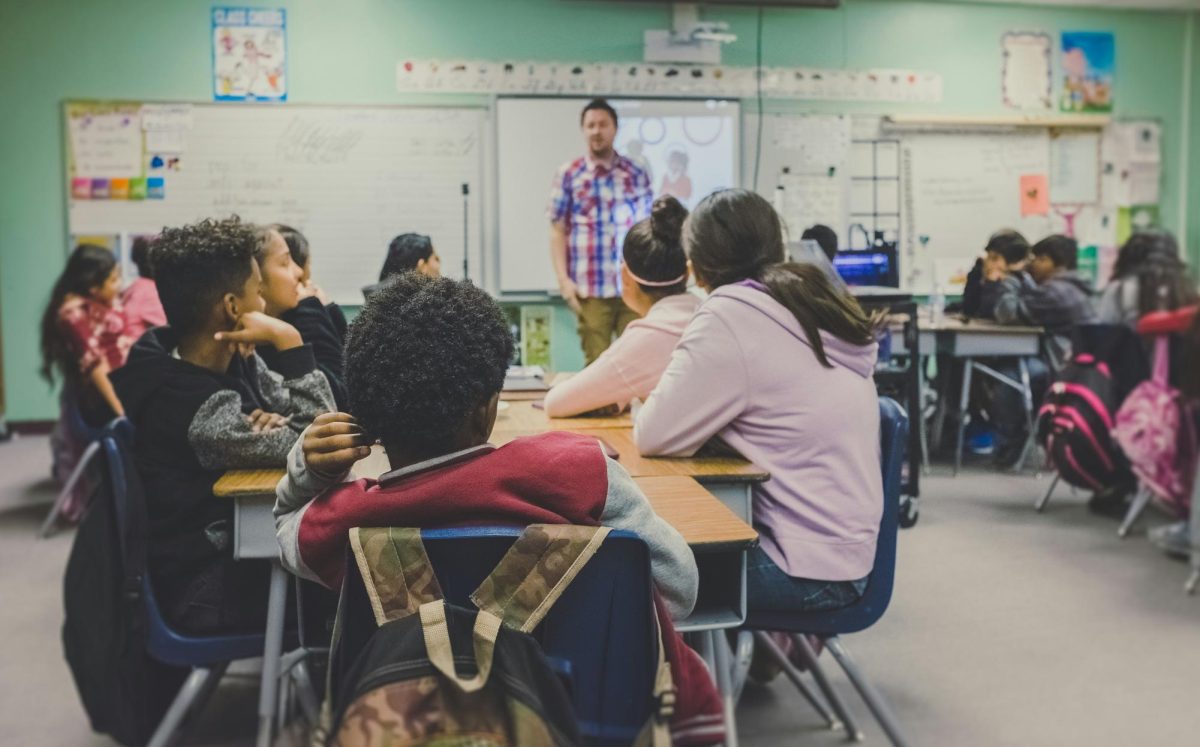
What does your classroom sound like?
If it is like mine, it usually sounds like the same three to five voices perking up to each professor’s query. This pattern has repeated itself since my undergraduate experience and continues in my graduate courses, where each syllabus outlines the detriment of graded participation. Despite the 10 percent sword hanging over every student’s head, with the pressure to “speak up,” only a few students actually voice their opinions, answer questions and promote discussion.
Maybe this is not new, but I have not seen anyone investigate how these embodied experiences translate to recommendation letters and opportunities from instructors. The university experience is not just about education; it also rewards specific behaviors. Reception to students who align with extroverted personalities grant privileges that overshadow quieter ones, often misread as disengaged.
The Daily Nebraskan analyzed this paradigm in college classrooms with insight, “Extroverts tend to look to human interaction to feel good, while introverts tend to enjoy their own internal musings. Introversion is not a fear of socializing — it’s a limited tolerance of it.”
The common misconception that reserved students are unequipped for leadership roles or have not engaged with course material creates a rift in class dynamics. Although we expect our instructors to understand the complexity and variation of students’ personalities, many of us forget that they are regular people making judgments. According to Insider Higher Ed, introverts tend to process information internally before speaking, leading to a mismatch with fast-paced classroom discussions that offer a moment’s notice to speak.
Zoom classrooms offer a more thorough analysis of this issue, as digital spaces limit physical participation, such as eye contact and bodily engagement.
“If you’re not talking, you’re not participating. Classes base points off of participation, which automatically helps extroverts, who often think by talking about ideas,” noted the Daily Nebraskan.
This problem is further evidenced by the 2007 study in the Journal of Psychological Type, which found that teachers believed extroverted students had the most potential for success in school. Does this mean that the system is not only measuring academic excellence, but also performance style?
The hidden advantage system does not stop at sociability in the classroom; it extends to when professors make open-ended offers to “come to office hours.” The reality is that most students do not.
But for those who do, Professor Megan Thiele Strong told Insider Higher Ed, “Which students interact with professors and how varies by class background. Evidence suggests race and gender also impact how students show up for the student-professor relationship.”
Strong also found that “upper-class students tend to demonstrate an appreciation of their professors and an ease when interacting with them,” adding that “they were savvy and strategic and felt that if they interacted with their professors outside of class time, there were likely to be benefits.”
It appears that there are multiple layers to student confidence and how social ease shapes access. Students who are comfortable initiating conversations gain opportunities such as mentorship, recommendation letters and greater academic confidence. It shows how personality, gender and class constitute student behavior and receive institutional advantages.
I am usually the kind of student whose participation grades are designed to reward. But I have also experienced what happens when I don’t fit that mold. During my undergraduate studies in English, I took a dramatic literature course where participation meant reading plays aloud in a circle. Suddenly, I was no longer confident. I was hesitant, self-conscious and unsure of my pronunciation when reading texts like Molière.
Even with an A, perfect attendance and consistent engagement in discussions, I left that class without a recommendation letter. In other courses, where participation aligned more naturally with my strengths, professors readily offered endorsements of my academic work. The difference was not in my ability. It was the form that participation took.
Introverts are not opting out of engagement; they are managing their energy and engaging in terms that feel sustainable. The tension is not between introversion and extroversion, but rather between instructors who equate a limited set of skills with success. Until those constraints expand, some students will be misread as underperforming.