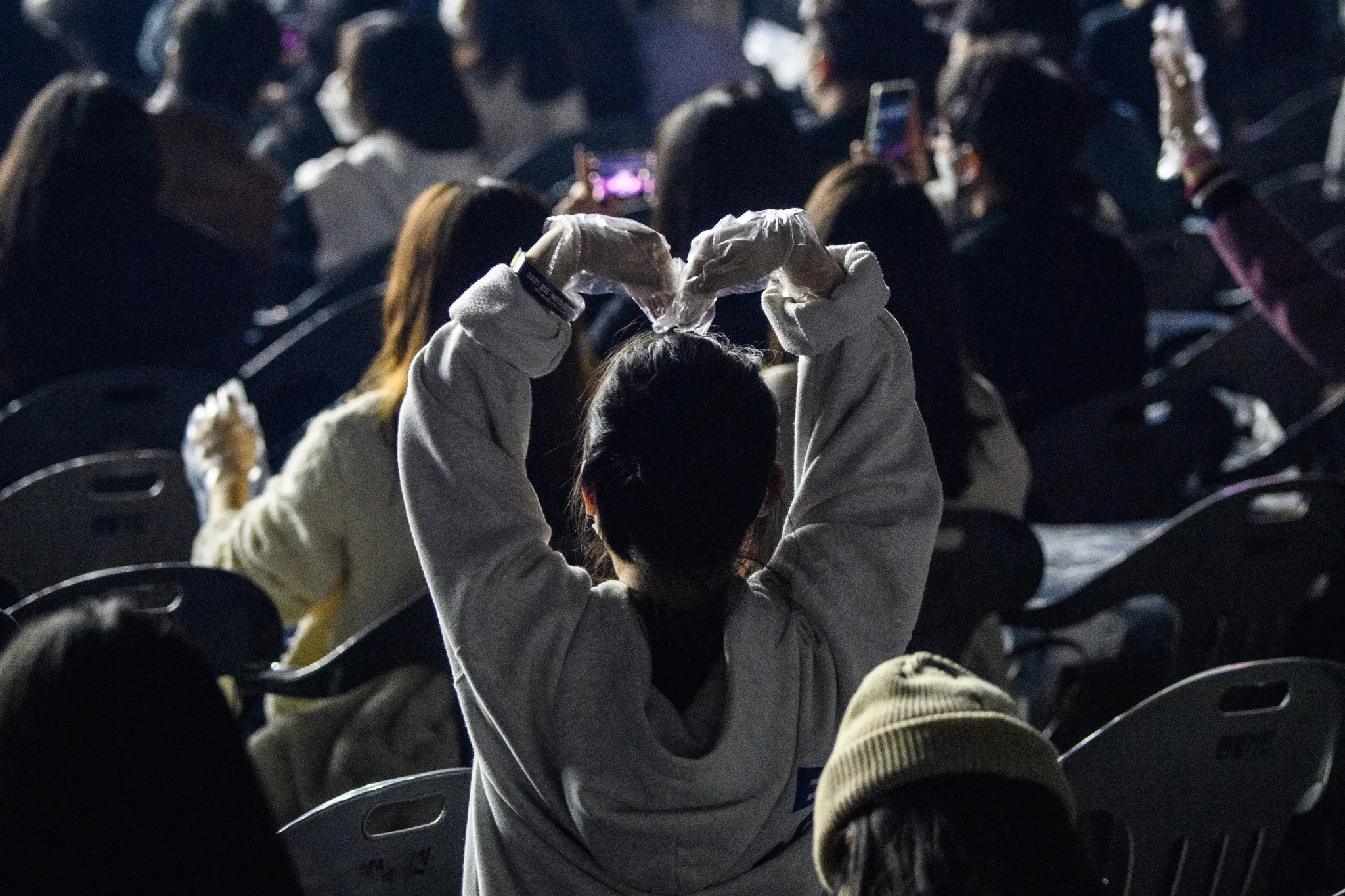
Parasocial is the concept of a one-sided relationship that is more of an unhealthy emotional bond with a celebrity.
What does the word “idol” mean? It means just that: a glorified individual who can sing, dance, and rap and possess crazy good looks that could catch the attention of millions. ARMY (BTS), STAY (Stray Kids), ATINY (ATEEZ), and CARAT (SEVENTEEN)—these names are the names that these bands give to their fans, creating a sense of community for their fans to make them feel like they’re a part of the experience; even with non-K-pop groups, it is the same. It shows that idols see us, hear us, and love us all in a nutshell.
With K-pop becoming a dominant force and the popular movie “K-pop Demon Hunters,” it’s a worldwide phenomenon that the average person can’t even grasp.
For example, with the movie and the song “Idol,” there’s a specific lyric that defines how far idols will go to fulfill a fantasy for a fan: “I can be the star you rely on.” Even in their songs, it’s catered to give us a message. Like, for example, in ATEEZ’s song “In Your Fantasy,” the lyrics say, “I’ll set you free from your sanity.” These kinds of songs have you escape from reality and into fantasy.
For a fan, the idea that an idol belongs only to one individual, that only your idol loves you, and that only they fill your thoughts is a prime example of how deep parasocialism runs in the industry.
Now, is it crazy? Of course it is, but that’s the whole point. Our delusion brings money to these companies and to the pockets of these idols, especially when the companies feed into the delusion, sometimes even putting their own artist in danger to keep this illusion, and sometimes that can be deadly.
Stalkers are another product of parasocialism, and they have their own category called “saseangs,” and their sole mission is getting their idol to notice them, like stalking them at airports, public places, and hotels, but where does it become too far?
Some go as far as breaking into their idols’ personal apartments, stealing clothes, leaving love letters, and invading their personal spaces in public areas. One of many incidents that comes to mind is videos on the internet when idol groups are at the airport; no matter the country, there will be large mobs of fans all trampling all over each other to see them, but in many cases, a fan will attempt to follow them in or physically get in their personal space. Which is a shame because K-pop idols are just like you and me, human. What do the companies do? Most of the time, they do very little, if anything, to protect their artists’ safety.
While not all fans are like this, myself included, it doesn’t mean that we aren’t excluded from this circle. We love purchasing albums, watching their lives, going so far as to pay for subscriptions to watch them exclusively, having their photocards and using them as keychains, and spending copious amounts of money on VIP concerts, but putting oneself into debt shouldn’t be an option.
It’s just fan culture and how the industry views fans as parasocial money machines, while we enjoy their music, watch their concerts, proudly wear their merch, and admire them from afar. Parasocialism runs deep, and sometimes it goes too far, putting the idols we know and admire in danger.
What do I think of a K-popfan? It’s not normal, and it’s not okay to almost fall into depression because an idol is in a dating rumor, or protest them, or even talk to them like we own them, which we don’t. That’s the reality. At the end of the day, they’re artists who have worked tirelessly to make music we know and love; at the very least, we as fans can admire and respect them from afar because they’re still someone’s son or daughter, like all of us; they’re human beings.
K-pop is a loved genre around the world for young and old fans, but like all fantasies, it’s just an illusion from reality.