














Houston may be famous for barbecue and Tex-Mex, but a sweet new trend is bubbling up in the Bayou City. Bubble tea, the Taiwanese milk tea drink studded with chewy tapioca pearls, has gone from a niche import to an everyday treat across Houston.
Once confined to Asian American neighborhoods, bubble tea has now gone mainstream. Analysts estimate it is now a roughly $2 billion global industry. In Houston, the drink’s ubiquity is hard to miss.
This boom comes as Houston’s Asian community is also on the rise. Census figures show that Harris County’s Asian population jumped 40 percent from 2010 to 2020, reaching about 392,000 people – nearly 8 percent of the county. The result is a patchwork of Asia town business districts full of vibrant foods and shops.
“On weekends, it’s especially busy. Parents take their children to bakeries for treats…friends meet up for their boba fix,” wrote a Houstonia Magazine writer about the Chinatown located on Bellaire Boulevard.
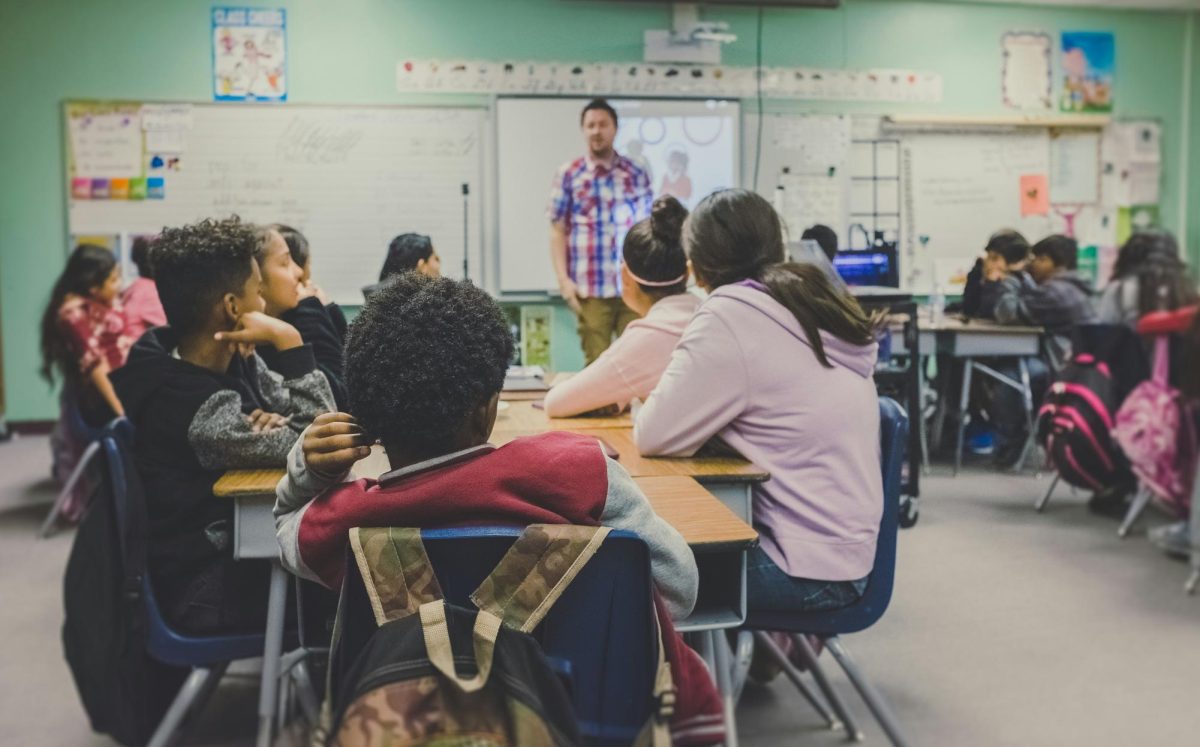
The imagery says it all: bubble tea has become part of the routine. It is no longer just an exotic luxury, but an ordinary treat for families and friends alike.
The local love is shown in the numbers. An analysis of Yelp data found roughly 200 new Houston-area bubble tea shops opened between 2019 and 2022. True, it is still less than the 582 coffee shops that opened in the same span—but bubble tea shops are growing faster.
The data shows 69 new boba shops in 2022, more than double the 31 that opened in 2021, whereas coffee shop openings ticked
up only slightly. In other words, Houston might still technically be a “coffee town,” as the Chronicle put it, but boba is rapidly gaining ground.
Much of bubble tea’s growth is concentrated where Asian Houstonians live and gather. Aside from Chinatown on Bellaire Blvd., a second hub has emerged in Katy. Katy’s Asian Town was intentionally planned as a foreign market magnet. Its developers courted big international brands, and it now boasts Houston’s first locations of hotpot giant Haidilao and dim sum chain Tim Ho Wan, along with plans for Uncle Tetsu cheesecake from Japan and Taiwanese boba shop Wushiland.
Likewise, Houston’s historic Bellaire Asian corridor has upgraded. Award-winning Taiwanese tea brands like Chi Cha San Chen have opened in Chinatown and the famous Chinese chain HeyTea is on the way. Their executives do not doubt Houston’s appeal.
John Huang, general manager of Tao Tao Tea, told the Houston Chronicle, “We thought Houston would be a good start for us to break in the U.S. market. Hearing how open-minded Houstonians are to Asian food and beverage also boosted our confidence in making this decision.”
For local owners, the bubble tea surge is both a challenge and vindication. Longtime cafés that once served only a few dozen customers a week now see steady streams of fans. Tommy Ho, owner of Tapioca House on Bellaire Blvd., notes that about 80 percent of his customers were Asian in the early 2000s – mostly Chinese, Taiwanese, or Hong Kong folks like himself. Today, his client base has diversified greatly.
Even as heritage shops hold their ground, new voices are joining the conversation. Bubble tea in Houston is not just Taiwanese anymore—it has become a canvas for cross-cultural flavor. Boba Wali, for instance, is a Pakistani-American popup in Sugar Land serving Desi-inspired bubble teas. Owner Arva Anees whips up drinks like cardamom-mango lassi tea and rose syrup lemonade with popping boba to share with South Asian communities and anyone eager for a novel twist.
In any case, what started as a small, local niche has blossomed into something much bigger. Bubble tea shops have become gathering places: where friends meet up to hang out, where students study over milk tea, where family outings mix Taiwanese snacks with Texan weather.
As Ming Chou, owner of Nu Ice and Drinks, told KHOU11, “People love to try new things here.”
Bubble tea’s popularity in Houston is also intertwined with broader Asian pop culture trends. Bubble tea has become a social symbol of anime, K-pop, Asian fashion and media. As one writer on Eater.com noted, Asians living in America in the late 1990s and 2000s embraced anime and the first wave of K-pop idols, and bubble tea was part of that cultural moment.
This meant that for many young people of Asian heritage and their friends, bubble tea shops served as gathering spots much like video or comic shops. Viral media helped too: the 2013 Fung Brothers song ‘BobaLife’ went mainstream and cemented boba as a youth identity marker.
In Houston specifically, the city’s multicultural youth have likewise driven trends like K-pop fandom and anime conventions. A profile on the Houston Chronicle even describes Houston’s diverse crowds as being “ahead of the curve” on K-pop and other Asian entertainment. Many Houstonians now enjoy boba together with K-pop events or anime screenings.
New cafés sometimes even theme their décor around Asian pop influences. In effect, bubble tea has acted as a culinary bridge for Asian pop culture: it is both a comfort item for longtime Asian residents and a trendy novelty for others.
With bubble tea shops now popping up everywhere from Chinatown to suburban strip malls, the drink has become firmly embedded in Houston life – and in Houston’s diverse cultural landscape, it looks to remain a hit for years to come.