





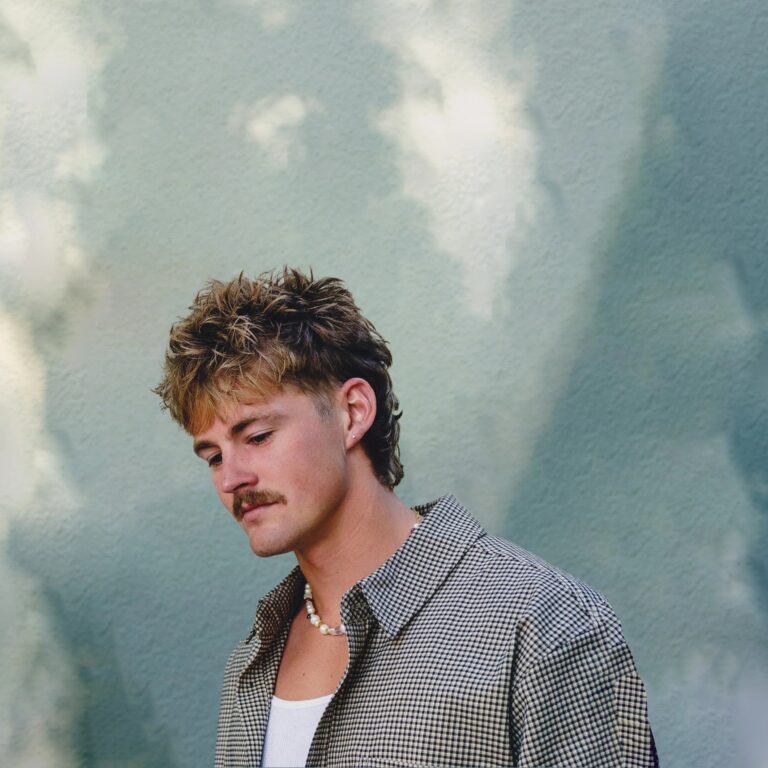















Voters in New York City have elected Zohran Mamdani as their next mayor, capping a stunning ascent for the 34-year-old state assemblyman. His victory in the nation’s largest city marks a series of historic firsts: Mamdani will be New York’s first Muslim mayor, its first mayor of South Asian heritage and the youngest person to hold the office in more than a century.
He defeated former Governor Andrew Cuomo in the June 2025 Democratic primary and went on to win decisively in the general election, which saw the highest mayoral voter turnout in over 50 years.
Mamdani, who represents Astoria, Queens in the state legislature, ran on an unabashed affordability agenda and promised to transform city government to “restore power to the working class.” He also pledged to freeze rents on regulated apartments and build more affordable housing, push for fare-free city buses and city-run grocery stores, establish universal free childcare and raise New York’s minimum wage to $30 an hour by 2030. Those progressive proposals energized many younger and working-class voters.
“Cost of living is the issue of our time,” Neera Tanden, a Democratic strategist, noted in response to Mamdani’s win. “It’s the through line animating all politics. Smart political leaders respond to it.”
Mamdani’s upset over the better-known Cuomo was widely seen as a victory for the Democratic Party’s progressive wing. Left-leaning leaders like U.S. Senator Bernie Sanders and Rep. Alexandria Ocasio-Cortex rallied behind his campaign in its final days, and Mamdani’s grassroots, social media-savvy approach drew an army of over 100,000 volunteers. In his jubilant victory speech on Nov. 4, Mamdani declared that New York voters had “delivered a mandate for change… a mandate for a city we can afford.”
“The conventional wisdom would tell you that I am far from the perfect candidate,” Mamdani told supporters. “I am young… I am Muslim. I am a democratic socialist. And most damning of all, I refuse to apologize for any of this.”
Mamdani’s rise has been met with starkly different reactions across the political spectrum, including a wave of alarm from prominent figures in Texas. Soon after New York’s election results came in, Texas Governor Greg Abbott posted a sarcastic message on X: “Join me for a moment of silence for NYC. Thoughts and prayers.”
State Rep. Briscoe Cain chimed in, asking if flags should be flown at half-staff “for the fall of New York City.”
Attorney General Ken Paxton went further, deriding Mamdani as “a radical communist who wants to defund the police and unleash chaos on our streets.”
The Houston Police Officers’ union also seized the moment to recruit disaffected New York police. The union posted a tongue-in-cheek flyer inviting any NYPD officers disillusioned by the new mayor to join HPD, touting Texas’ affordable housing and “a supportive mayor and city council” as selling points.
“What happened in New York is a disgrace – socialism is un-American, plain and simple,” John Cornyn, U.S. Senator for Texas, posted on X. “But let me be clear: I’m fighting tooth and nail to make sure Zohran Mamdani’s radical pals…never bring that nonsense to Texas.”
Eric Johnson, the mayor of Dallas, described Mamdani’s mayoral win as a wake-up call for the country. “America’s great cities will not thrive under mayors who prioritize these patently un-American ideologies over the pleas of our citizens for increased public safety and economic growth,” Johnson said in a statement following Mamdani’s win on Nov. 4.
Beyond the political barbs, Mamdani’s victory carries a personal connection to Houston. In 2014, after graduating from college, he worked in Houston as a community organizer for the Texas Public Interest Research Group, promoting health insurance enrollment at Lone Star College. His wife, Rama Duwaji, is also Houston-born – a fact that some local residents have celebrated as a point of pride. Duwaji, an artist and illustrator, moved from Houston as a child but still has family ties in the area.
Together, she and Mamdani represent the kind of diverse, globally connected young leadership that many in Houston’s own immigrant communities find inspiring. Local media in Houston have noted these links, with one editorial humorously telling New York, “You’re welcome, or we’re sorry,” for Houston’s indirect role in producing the city’s new mayor.
Mamdani’s victory has sparked serious discussion in Houston’s political circles. America’s fourth-largest city faces its own affordability crunch, from rising rents to stark inequality, and some local progressives are asking why Houston hasn’t produced a figure like Mamdani. Houston currently has no avowed democratic socialists in major offices, but plenty of young talent eyeing bold reforms.
Observers point out key differences: unlike New York, Houston’s city budget is strained, and Texas state officials often override local initiatives, limiting how far an ambitious mayor could go. Still, the idea of a grassroots, pro-working-class campaign is alluring to many who see similar struggles playing out in their own communities.
As New York City’s mayor-elect prepares to take office, his unlikely triumph is being celebrated by many as a beacon of change
and representation – as well as closely scrutinized by critics from City Hall to the Texas Capitol. Mamdani’s supporters say his win shows that bold progressive ideas can still win. Meanwhile, his opponents are turning his name into a rallying cry, warning that Mamdani’s radical politics should not spread.
For now, Zohran Mamdani’s election stands as a defining political moment – one that has made history in New York City and sent ripples far beyond its five boroughs.
