


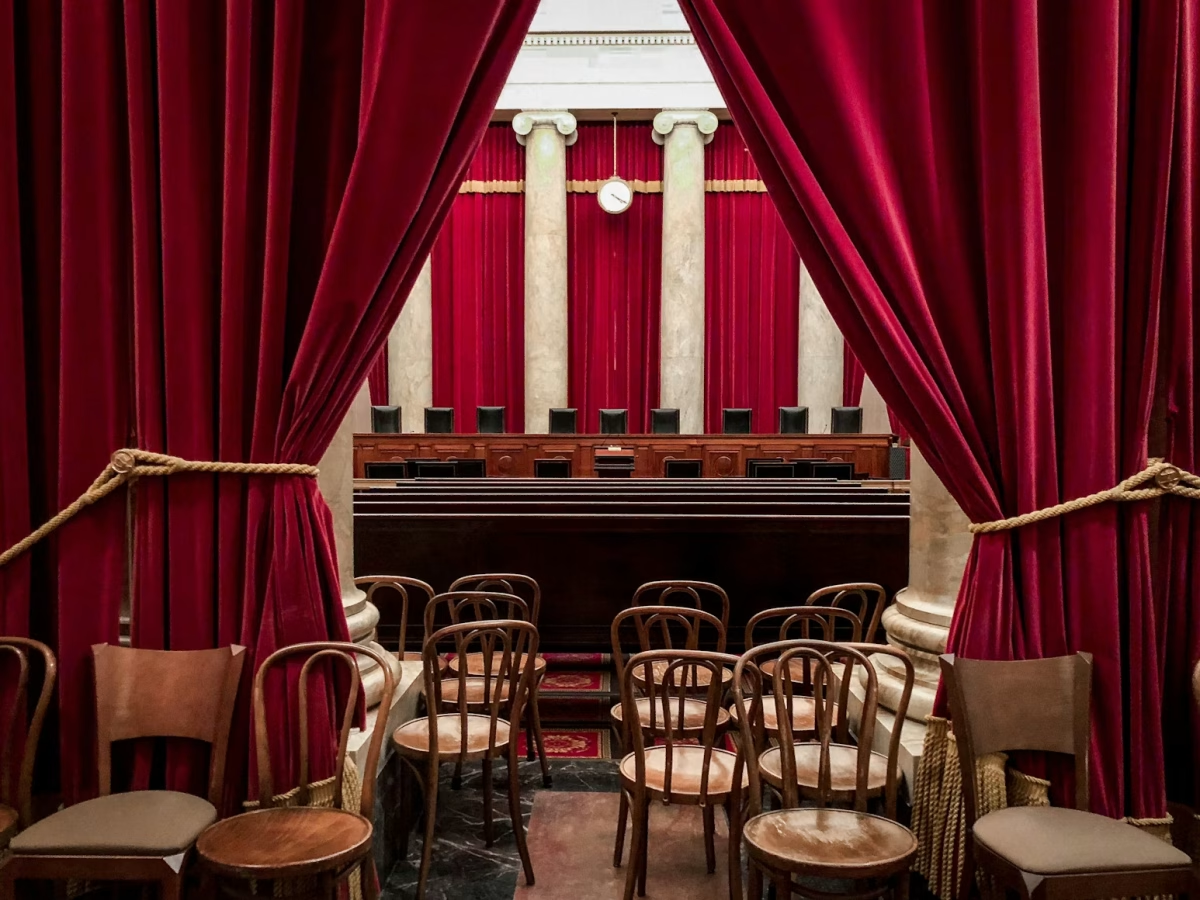




















Often it is said that the environment in which you find yourself the most is a reflection of your mind. In recent years, interior design has evolved tremendously to embrace wellness as a central goal. Dorm decor, for instance, has offered an analytical lens into the effect of space and its influence on shaping mental health. Students facing great stress, isolation, and academic pressure tend to make their living spaces more than just functional — they become sanctuaries for emotional balance.
It is no secret that color plays a vital role in determining mood. This is called color psychology where soft hues like blues and greens are associated with calmness. While warm tones foster energy and social connections.
Let’s say a new homeowner is looking to reduce feelings of confinement, support circadian rhythms and overall enhance mood. Incorporating natural light into an open layout will do just the trick. Additionally, placing greenery such as plants or nature-inspired elements has been proven to lower anxiety and improve concentration, reflecting the growing emphasis on biophilic design.
Hanging up posters of loved artists or designating a spot for emotional support trinkets emphasizes personalization; this is equally important. Not only does this allow students to express identity, but it also reinforces a sense of belonging and control.
Designing and decorating are subtle but significant expressions of mental health awareness. By designing spaces that nurture a relaxed but creative instinct, interior design can be used as a tool for perseverance as we face the last stretch into finals.