






















Obesity is a chronic condition that can also be associated with many other conditions.
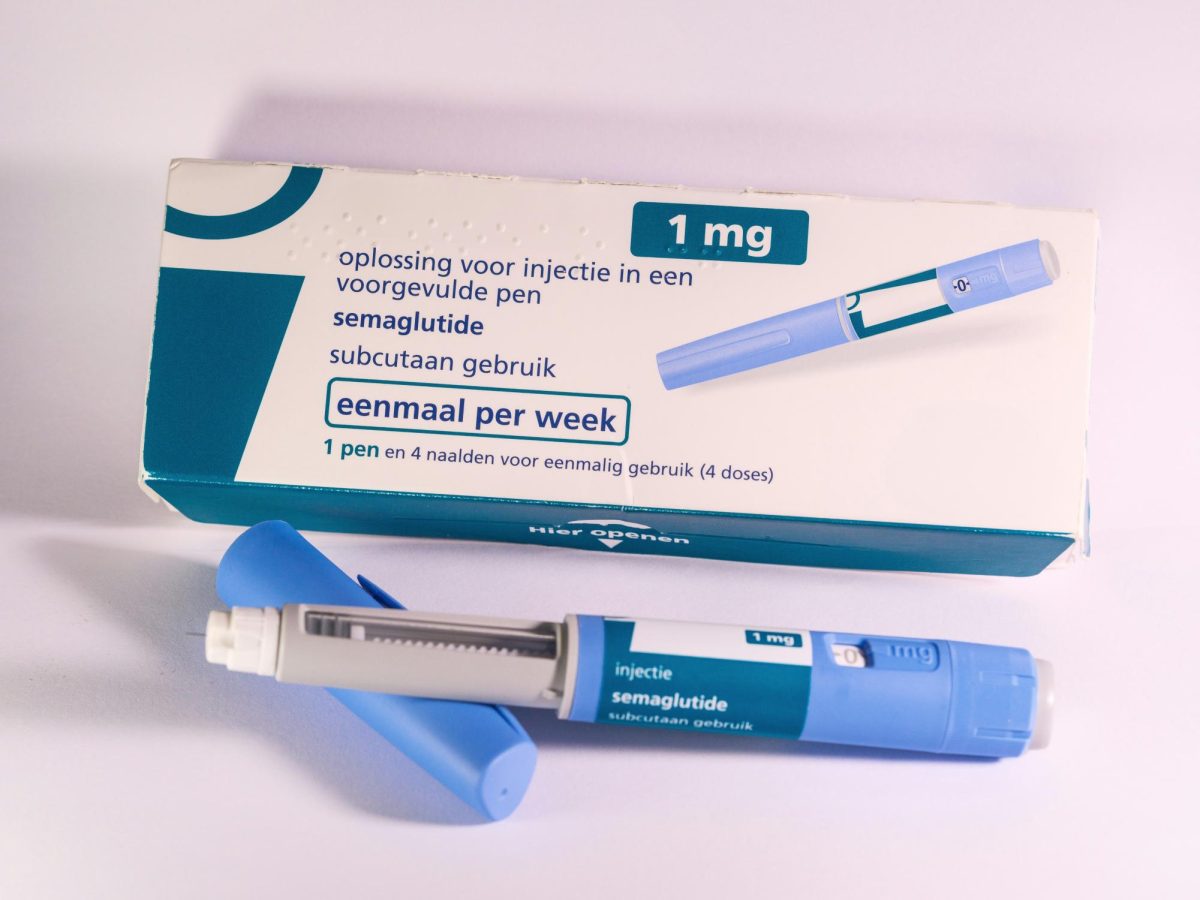
In recent years, for many struggling with obesity and weight loss, medication targeted for such causes may seem like a breakthrough. Drugs like Ozempic and Wegovy have surged in popularity as they offer an easier way to lose weight.
A significant portion of those suffering from it hope to maintain a fit lifestyle and the weight they have lost after they stop the treatment. But what exactly happens when you stop taking Ozempic?
To understand this, it is important to know how these drugs work in the first place.
Originally, Ozempic was created and approved by the Food and Drug Administration as a type two diabetes mellitus treatment, often paired with lifestyle changes. However, it is not FDA-approved for weight loss.
It is advised by some doctors to pair it with good protein intake and exercise to prevent muscle mass loss and they have labeled it as an “off-label” treatment for obesity. Obesity can also be seen in people with type two diabetes, which makes this an effective drug for weight loss as well as treating diabetes.
Human bodies can produce natural GLP-1 hormones, known to regulate blood-sugar levels, appetite and slow digestion. In obesity, however, this hormone is lacking, so regulation is difficult. When digestion happens quickly, satiety decreases and cravings increase.
According to Jennifer Fisher, a physician assistant who had written for Harvard Health, drugs like Ozempic have semaglutide that mimic GLP-1. Semaglutide imitates how the natural hormone functions and lowers appetite by slowing digestion, increasing insulin and aiding in weight loss, which is paired with diet changes and activity.
Returning to the question: what are the consequences of discontinuing treatment?
Now that it is known how Ozempic works, it is important to investigate its consequences if one chooses to discontinue.
Many researchers and experts call the effects of discontinuing Ozempic as “Ozempic rebound”, which refers to the reversal of the improvement that is shown while being on treatment.

As mentioned before, obesity is a chronic condition that can be associated with many other diseases. Hence, stopping medication could revert the progress.
A study was led by John P.H. Wilding, a scientist and professor affiliated with the University of Liverpool, and his colleagues as a STEP-1 trial extension where participants were randomly assigned to take either semaglutide or placebo. Their weight was observed for a year. Semaglutide group had lost 17.3 percent of weight loss, and the placebo ones lost two percent after 68 weeks of observation.
The researchers also explored the consequences of discontinuation. The study showed participants had regained 11.6 percent of their lost weight and by the end, the net loss was about 5.6 percent for drug discontinuation.
All the cardiometabolic improvements observed in blood pressure, cholesterol levels, diabetes and hypertension had reverted to baseline as well. This concluded that stopping the medication might reverse the progress from treatment, suggesting that continuing it might maintain progress.
Semaglutide drugs like Ozempic and Wegovy have been a breakthrough in obesity management, as many suffering from it turn to look up to them. However, it is important to know that treatments like Ozempic, if taken either for diabetes or obesity, have a reversal effect when discontinued.
Continuing is advisable, but it is also imperative to have lifestyle changes such as dieting and protein intake accordingly paired with a good exercise routine. This would help build and prevent muscle mass loss, which is important for diabetic patients. Developing smart strategies is crucial, as the drugs cannot do the heavy lifting.